gifts for book lovers
Gifts for Book Lovers: Why the Answer Is Almost Never Another Book
Book lovers are the most mis-gifted hobbyists of all, and the failure is built into the obvious move. Buying a reader a book is a bet with terrible odds: a serious reader owns more unread books than they will finish this year, keeps a wishlist they treat as private, and skips titles for reasons invisible from the outside — the translation, the edition, the mood it belongs to. Your gift, chosen with love from a bestseller table, goes onto a shelf that is already a monument to good intentions. The paradox is that readers are also the most giftable hobbyists there are, because the habit has layers nobody budgets for. The reading ritual itself — light, chair, the hour after dinner — runs on gear bought once, cheaply, decades ago. The time to read is the one thing no reader ever has enough of. And the physical artifacts of a reading life, done well, commemorate something no store shelf sells: their specific taste. This guide covers the diagnostic first — how they read, not what they read — then the gift directions by reading type, honest budget bands, and the traps, starting with the bookish merch aisle.

At a glance
- Ideas
- 8
- Price range
- $ – $$
- Reading
- 3 min
- Updated
- Sep 2026
Our pick: The Reading Ritual Upgrade — Replace the worst object in their reading spot — the dying lamp, the slipping bookmark, the cold-feet blanket — with the good version.
What makes a good gift for a reader?
The diagnostic is format and habit, not genre. Ask three silent questions: do they read to finish or to revisit, on paper or on a screen, and where does the reading actually happen — the armchair, the commute, the bath. A gift aligned with the real ritual gets used daily; a gift aligned with the idea of reading gets regifted. One look at their nightstand tells you more than an hour of asking about favorite books.
The deeper principle: readers self-purchase books constantly and everything else almost never (the upgrade play at its most extreme). The light is the one from their student years. The blanket is the one with the hole. Funding the ritual around the books is the gift their own budget never allows — and unlike a book, it cannot be a duplicate.
Gift directions, by reading type
The devourer — thirty books a year, mostly forward — wants throughput and comfort: the ritual upgrade, the queue of discoveries handled for them, the time and place to read. The collector reads fewer books and lives in them: the beautiful edition of their most-read title, the object that honors the book they have annotated for a decade.
The re-reader is the easiest to spot and the most satisfying to shop for — their favorite has been read so many times it is falling apart, and restoring or upgrading that relationship (the edition, the companion volume, the artifact of it) is a gift no one else will think of. And the reader who claims to want nothing still accepts the consumable companion: the tea or coffee of the reading hour, which the wants-nothing playbook endorses for exactly this shape of person.
How much should you spend?
Reading is a category where small budgets genuinely win: the ritual upgrade at $20–40 outperforms most expensive options because it touches an hour of their day, every day. The budget principle — right category first, quality second — holds with almost no exceptions here, because a cheap lamp bought well beats an expensive gadget used once.
Spend above $100 only on the definitive item: the edition they keep visiting in the shop and leaving behind, or the experience — a reserved reading day, an author event in their city. Money converts poorly into more books and well into more reading, and those are not the same purchase.
What to avoid
The guesswise book, always — unless it is from their own wishlist, which means you have seen the list, which means you did not guess. Bookish merch is the same trap in costume: the tote that says reader, the mug that says reader — bought for the identity, not the person, and every reader owns a drawer of both already. Reading-adjacent clutter (the scented candle shaped like a book, the bookmark that is also a torch) rounds out the drawer.
And do not buy for the shelf photo instead of the habit: the oversized decorative edition of a book they do not love is furniture, not a gift. When the ritual upgrade and the artifact are genuinely tied, the tie-break framework ends the standoff in one pass.
The 8 ideas
Each direction below says when it works — skim for the one that matches the person, then stop reading. Nothing here needs to be bought exactly as described.
Price guide: $ budget · $$ mid-range
 01
01Our pick
The Reading Ritual Upgrade
$BudgetReplace the worst object in their reading spot — the dying lamp, the slipping bookmark, the cold-feet blanket — with the good version. It touches an hour of their day every day, it cannot be a duplicate, and it costs less than three hardcovers.
$Budget3 ideas
 02
02A Reading Afternoon, Gift-Wrapped
$BudgetA specific date: the house to themselves, the phone handed over, the food handled, nothing planned. Time is the only resource every reader is short of, and a protected block of it beats any object you could put beside the armchair.
 03
03The Consumable Companion
$BudgetThe tea, coffee, or chocolate of the reading hour, in the good version they never buy for themselves. It is consumed, never clutter, and it joins the ritual instead of competing with it — the correct gift for the reader who claims to want nothing.
 04
04The Annotation Kit
$BudgetFor the reader whose margins are a battlefield: the pens, pencils, and tabs that survive rereading, in versions worth using. It respects how they actually read — actively, messily, twice — which generic bookish gifts never manage to see.
$$Mid-range4 ideas
 05
05The Edition They Keep Not Buying
$$Mid-rangeThe beautiful or restored edition of the book they have read the most — the one they visit in the shop and always leave behind as an indulgence. It honors their favorite rather than guessing their taste, which is the entire difference between a book gift that lands and one that shelves.
 06
06The Queue, Handled for a Year
$$Mid-rangeA subscription or a self-built lending list matched to their taste — twelve discoveries arriving without effort. For the devourer it removes the admin of feeding the habit; the trick is matching their taste from their own shelf, not from a bestseller table.
Still reading? Answer 4 questions and get one answer instead.
Get one answer 07
07The Companion to Their Favorite
$$Mid-rangeThe biography, annotated edition, or map of the world of the book they have reread for years. It deepens a relationship you already know exists — no guessing, no duplicates — and it tells them you have been paying attention to what they love, not just that they read.
 08
08An Author Event, Two Tickets
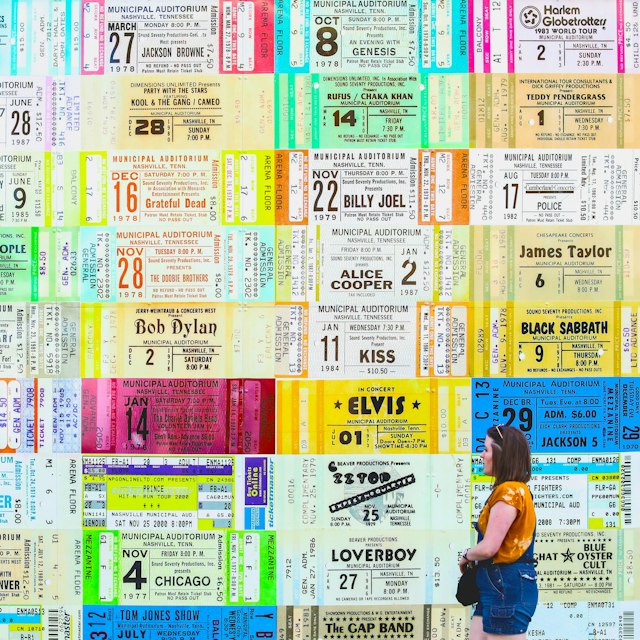
$$Mid-rangeA talk, reading, or festival in their city, with you along. Access is the rung most readers never buy for themselves, and the shared version doubles as a date. Check their favorite authors' tour pages — specificity here is what separates the gift from a vague offer.
Keep reading
Questions people actually ask
Should I buy them a book at all?
Only from evidence: their own wishlist, the book they keep mentioning, or the edition of a favorite they already own. Guessing from a bestseller table has the worst odds in gift-giving — a serious reader's unread pile is already a monument to good intentions.
I don't know their taste — what's the safe move?
Gift the ritual instead of the library: the reading light, the blanket, the protected afternoon, the consumable companion of their reading hour. None of it requires knowing their taste, and all of it gets used. [The framework for choosing with no idea](/gift-intelligence/decision-making/how-to-choose-a-gift-when-you-have-no-idea-what-they-want) starts from the same principle.
E-reader accessories or paper — which way?
Follow the nightstand, not the ideology: whatever format their current reading actually happens in is the one to upgrade. The classic mistake is gifting the reading experience you romanticize — the paper, the library chair — to someone whose real ritual is a screen on the commute.
Are bookish candles and totes really that bad?
They are the identity layer of the hobby, and readers already own the identity layer. Choose from the practice layer instead — the ritual, the time, the artifact of a specific favorite — and the gift stops saying you read and starts saying I know what you read.
More guides like this




Reading is nice. Deciding is better.
Play one round and get a single answer with a plan.
⚡ Quick answer