gifts for hikers
Gifts for Hikers: How to Choose Something They'll Actually Carry
Hikers are unusually easy to mis-gift, because the obvious move — buy them gear — collides with two facts. First, committed hikers have already bought the gear that matters: they researched it, weighed it, and spent their own money on it. Second, the gear that remains is the gear they deliberately rejected, usually for weight or price, and a gift that reverses a decision they made on purpose reads as not having listened. The good news is that hiking is one of the richest gift domains once you stop shopping the gear wall. It is a ritual that repeats weekly, it has consumables that are always rationed (nobody buys the good trail food for themselves), and it has a companion dimension — almost every hiker would rather walk a new trail with someone than receive another accessory. This guide gives the diagnostic first: where they walk, what they carry, and what they complain about on the way. Then the gift directions by hiker type, honest budget bands, and the traps — the sizing guesses, the gadget duplicates, the stuff that adds weight to a pack built around having none.
At a glance
- Ideas
- 8
- Price range
- $ – $$$
- Reading
- 2 min
- Updated
- Sep 2026
Our pick: The Friction-Remover — Recall the specific complaint from their last trailhead — the bunched sock, the digging strap, the cold hands — and fix exactly that with the good version.
What makes a good gift for a hiker?
The single best diagnostic costs nothing: what do they complain about at the trailhead? The socks that bunch, the pack strap that digs, the cold lunch, the phone that dies at the overlook. Hikers have a running list of small frictions they tolerate because none is worth a shopping trip — and the gift that removes one of them beats any impressive new gadget, because it proves you were paying attention to their actual Saturdays.
The second principle follows the upgrade play: hikers ration the consumable layer ruthlessly. The good trail snacks, the fresh batteries, the annual pass — all of it gets bought on a budget by people who spend freely on boots. The gift that funds the layer they skip is always in style.
Gift directions, by hiker type
The weekend day-hiker wants the comfort layer: the friction-remover for the thing they complain about, the good thermos, the pack that finally fits the way they wish the old one did. The backpacker wants grams: the ultralight version of something they already carry, because weight is the currency they think in and saving it is the luxury they can never justify.
The fair-weather walker wants invitation, not equipment — a booked trail day with you, transport handled, lunch packed. And the hiker who has everything (there is always one) has already solved every problem on their own list: for them, access and maintenance are the remaining rungs, from a guided route they would never research to the trail-association membership that keeps their favorite path open.
How much should you spend?
For birthdays and holidays, $25–60 covers the comfort layer well — this is a category where specificity beats spend, and the budget logic holds firmly here: the right category first, quality second. Real gear — packs, footwear, shells — starts meaningful money, and footwear especially is a sizing gamble you should not take on someone else's feet.
If you want to spend above $100, do it on the thing they priced and deferred (the item they talk about wanting but keep calling too expensive), or pool the budget into the experience: transport, a booked route, a night in a hut. Money converts to memory on the trail faster than it converts to equipment.
What to avoid
Boots and anything else that must fit: sizing is the classic failure in this category, and a boot that almost fits is worse than none. Gadgets they already own a version of — hikers curate hard, and the duplicate lives in a drawer. Anything heavy and cute: the gift that adds weight to a pack engineered around carrying none misses the entire value system of the recipient.
And the merch trap: trail-branded mugs, badges, and patches are the hobby equivalent of the generic candle — bought for you, not for them. When the direction is right but two finalists are tied, the tie-break framework settles it faster than another week of browsing.
The 8 ideas
Each direction below says when it works — skim for the one that matches the person, then stop reading. Nothing here needs to be bought exactly as described.
Price guide: $ budget · $$ mid-range · $$$ splurge
 01
01Our pick
The Friction-Remover
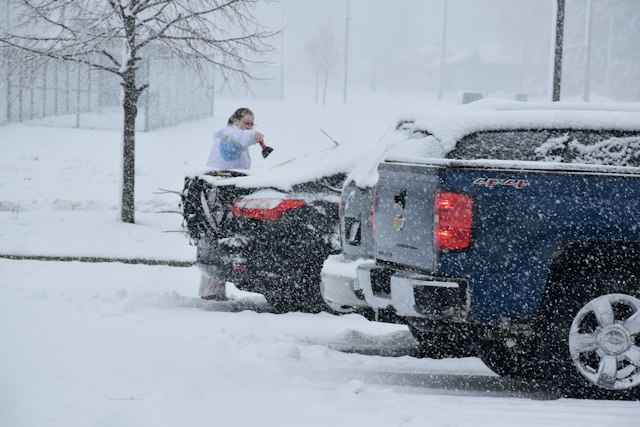
$BudgetRecall the specific complaint from their last trailhead — the bunched sock, the digging strap, the cold hands — and fix exactly that with the good version. It costs less than gear and says more than any gadget, because it proves their Saturdays were being watched.
$Budget3 ideas
 02
02The Good Trail Food, Stocked
$BudgetHikers ration their own consumables and eat the cheap bars they bought in bulk. A box of the food they would never justify — real meals, the snacks they linger over at the shop and leave behind — funds the layer of their habit they always skip.
 03
03Navigation That Works Without Signal
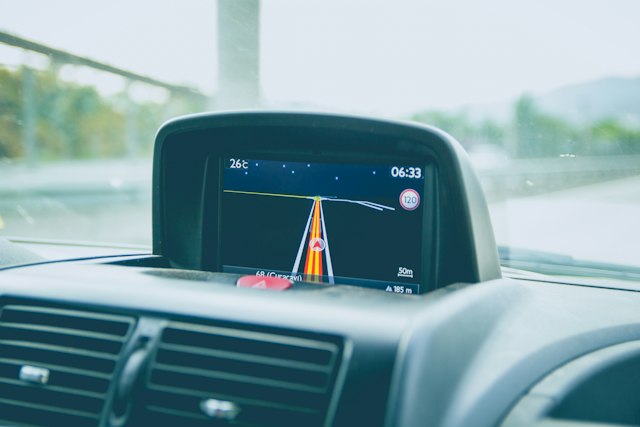
$BudgetOffline maps, a proper compass, or a course that teaches both — the layer most hikers keep meaning to sort out and never do. It is practical on the surface and underneath it says you want them to come home from every walk they take.
 04
04The Trail-Association Membership
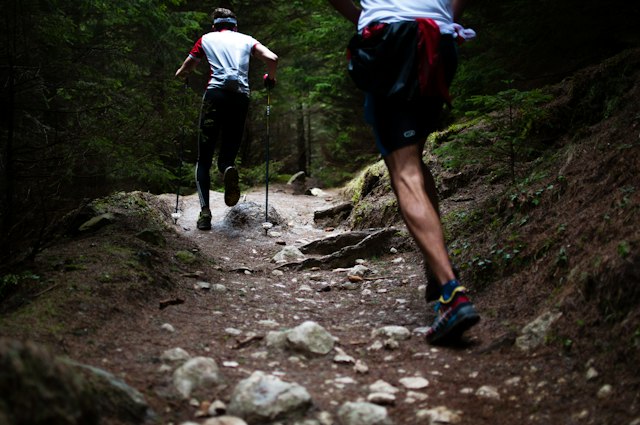
$BudgetFor the hiker who has solved their own gear list: the annual pass or trail-maintenance membership that keeps their favorite paths open. It is the access rung of this hobby — nothing to carry, nothing to fit, and it funds the thing they love directly.
$$Mid-range3 ideas
 05
05A Trail Day, Booked and Handled
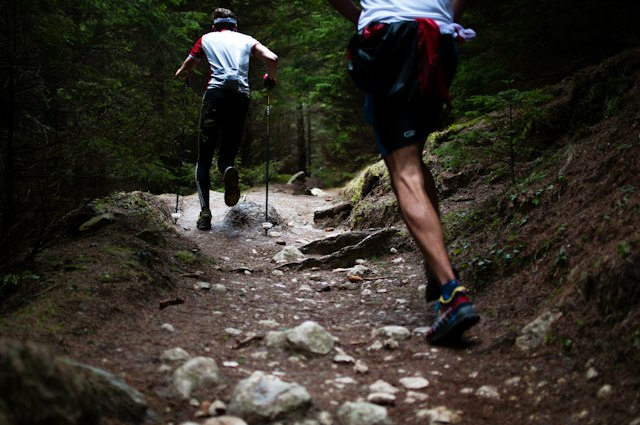
$$Mid-rangeYou pick a route they have never walked, sort the transport, pack the lunch, and go together. For the fair-weather walker this is the complete gift, and for the dedicated one it is better than equipment: shared mileage outlasts any object.
 06
06The Ultralight Version of What They Carry
$$Mid-rangeBackpackers think in grams, and the light version of something already in their pack is a luxury they can never justify to themselves. You are not adding gear — you are subtracting weight, which is the one upgrade this recipient always wants.
Still reading? Answer 4 questions and get one answer instead.
Get one answer 07
07The Post-Hike Ritual Upgrade
$$Mid-rangeThe recovery half of the hobby gets no budget: the good flask, the proper slippers in the car, the meal-place tradition upgraded. It acknowledges that the day does not end at the trailhead, which is a detail only someone who hikes with them would know.
$$$Splurge1 idea
 08
08The Item They Priced and Deferred
$$$SplurgeEvery hiker has one: the piece they researched, bookmarked, and keep calling too expensive. Listen for the brand they mention while complaining about the price — funding past their own self-permitted line is permission and attention in a single object.
Keep reading
Questions people actually ask
Should I just buy them hiking gear?
Only the kind they cannot get wrong: consumables, frictions-removers, or the item they named specifically. Serious hikers have already bought the gear that matters, and footwear or pack sizing chosen by someone else fails in ways a receipt cannot fix.
What do I give the hiker who already has everything?
Shift from equipment to access: a booked route they would never research, a guided day, the membership that maintains their trails. The full version of this problem is covered in [what to give someone who has everything](/gift-intelligence/difficult-situations/what-to-give-someone-who-has-everything).
Is an experience gift right for a hiker?
It is the strongest format in this category, because hiking is already an experience hobby — you are adding company and logistics, not novelty. Book it, handle the transport and food, and make the invitation specific: a date, a route, a plan. Vague experience offers expire unread.
How do I find out what they actually need?
Listen to the trailhead complaints — every one is a gift brief someone should have written. If you cannot recall any, ask a hiking partner of theirs, or hand the decision to [a structured recommendation](/choose) once you know their walking style and your budget.
More guides like this



Reading is nice. Deciding is better.
Play one round and get a single answer with a plan.
⚡ Quick answer